 Laptops
  Gaming Laptops
  Desktop
  Laptop & Desktop Accessories
  Workstation & Gaming
  Used PC, Laptop & Accessories
  CCTV & Accessories
  Printers / Scanners / POS and Accessories
  Mobile Phones / Tablets and Accessories
  Softwares
  Home & Kitchen Appliances
  Gift Voucher
  Smart Devices & Gadgets
  Office & Meeting Solutions
  Networking & Power Devices
  Graphic Tablets & Drawing Displays
  Monitors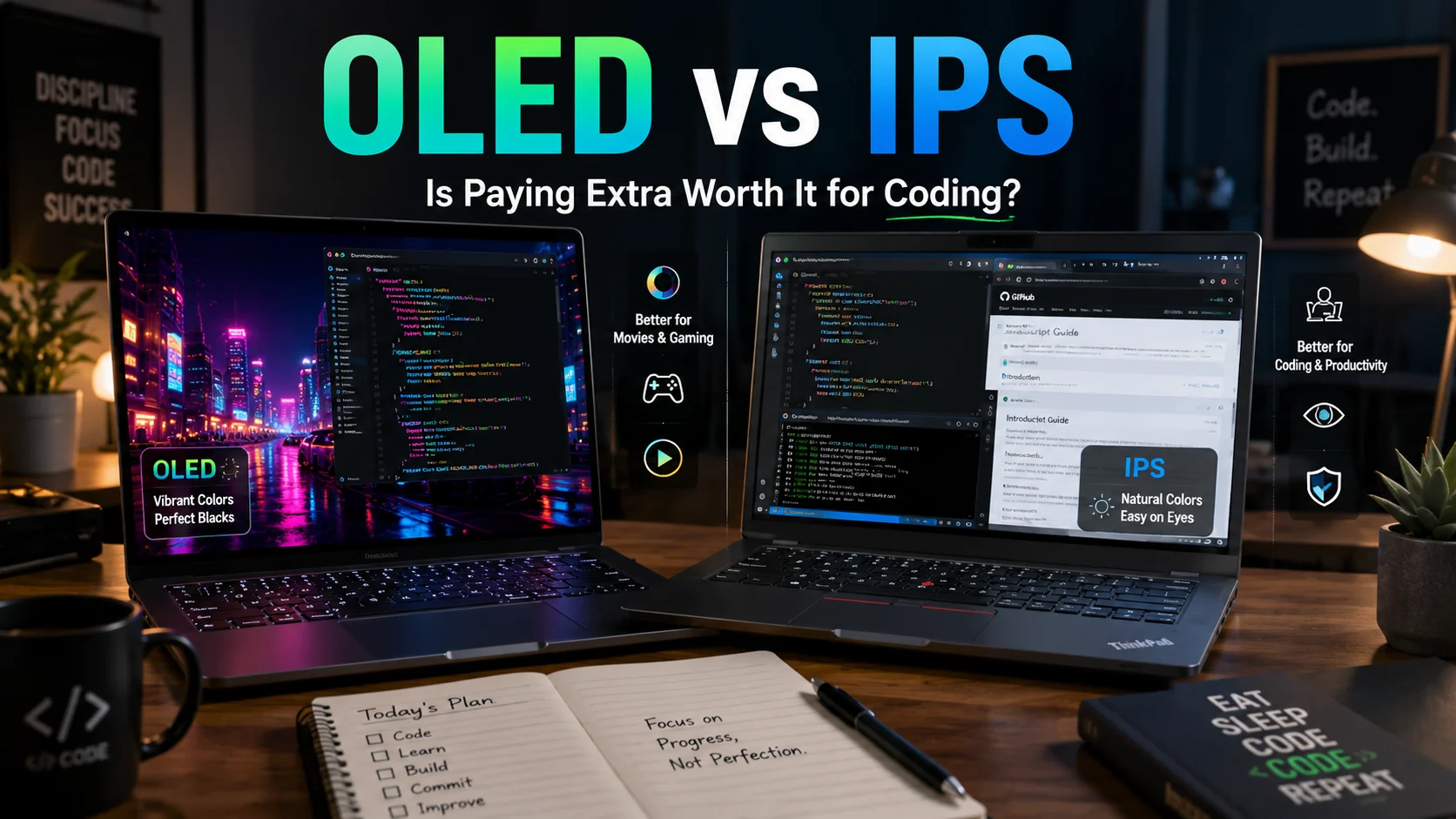
OLED vs IPS Laptop Displays: Is It Worth Paying Extra for Coding?
If you walk into a laptop shop in Sri Lanka today, the OLED models instantly grab your attention. The colors look richer, the blacks appear deeper, and even expensive IPS screens suddenly feel outdated beside them.
That visual difference is exactly why many software engineering students and developers now ask the same question.
“Should I pay extra for OLED if I mainly use my laptop for coding?”
We looked at real developer experiences, local laptop pricing, battery concerns, eye strain complaints, and long-term ownership risks to find the practical answer for Sri Lankan buyers.
For most coders, the answer is not as straightforward as YouTube reviews make it sound.
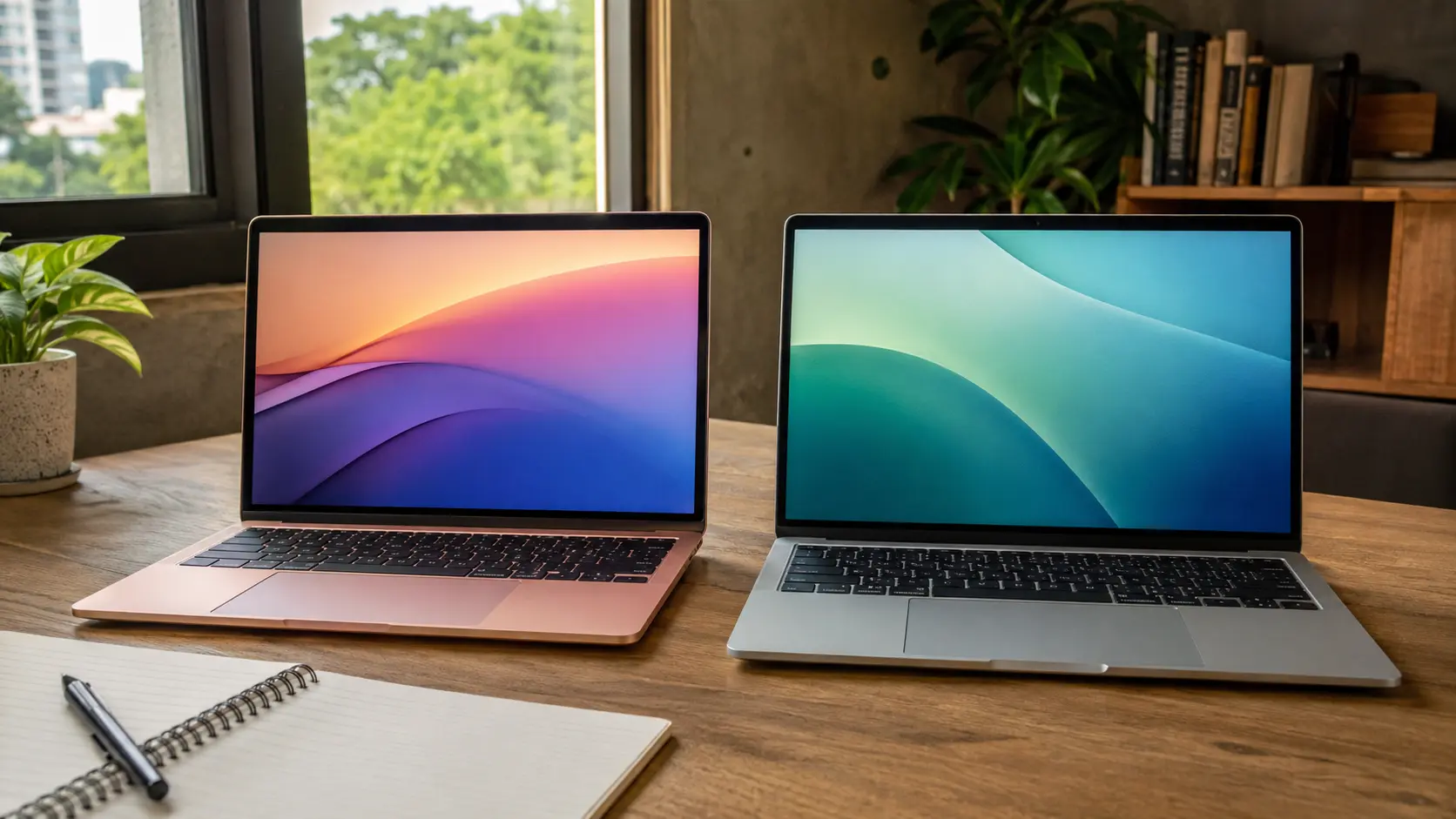
OLED vs IPS: What Is the Real Difference?
 The biggest reason OLED laptops look so impressive inside showrooms is because every pixel creates its own light. When a part of the screen turns black, those pixels switch off completely, creating extremely deep contrast and vibrant colors.
IPS screens work differently. They use one backlight behind the display, which means blacks never look perfectly dark.
For movies, gaming, and media, OLED clearly looks better.
But coding is very different from entertainment.
Most programmers spend hours reading text inside VS Code, browser tabs, terminal windows, GitHub pages, and documentation websites. In those situations, a good IPS panel already performs very well.
That is why many business laptops like ThinkPads, EliteBooks, and Dell Latitude systems still use IPS displays. These laptops prioritize long-term comfort and reliability over flashy visuals.
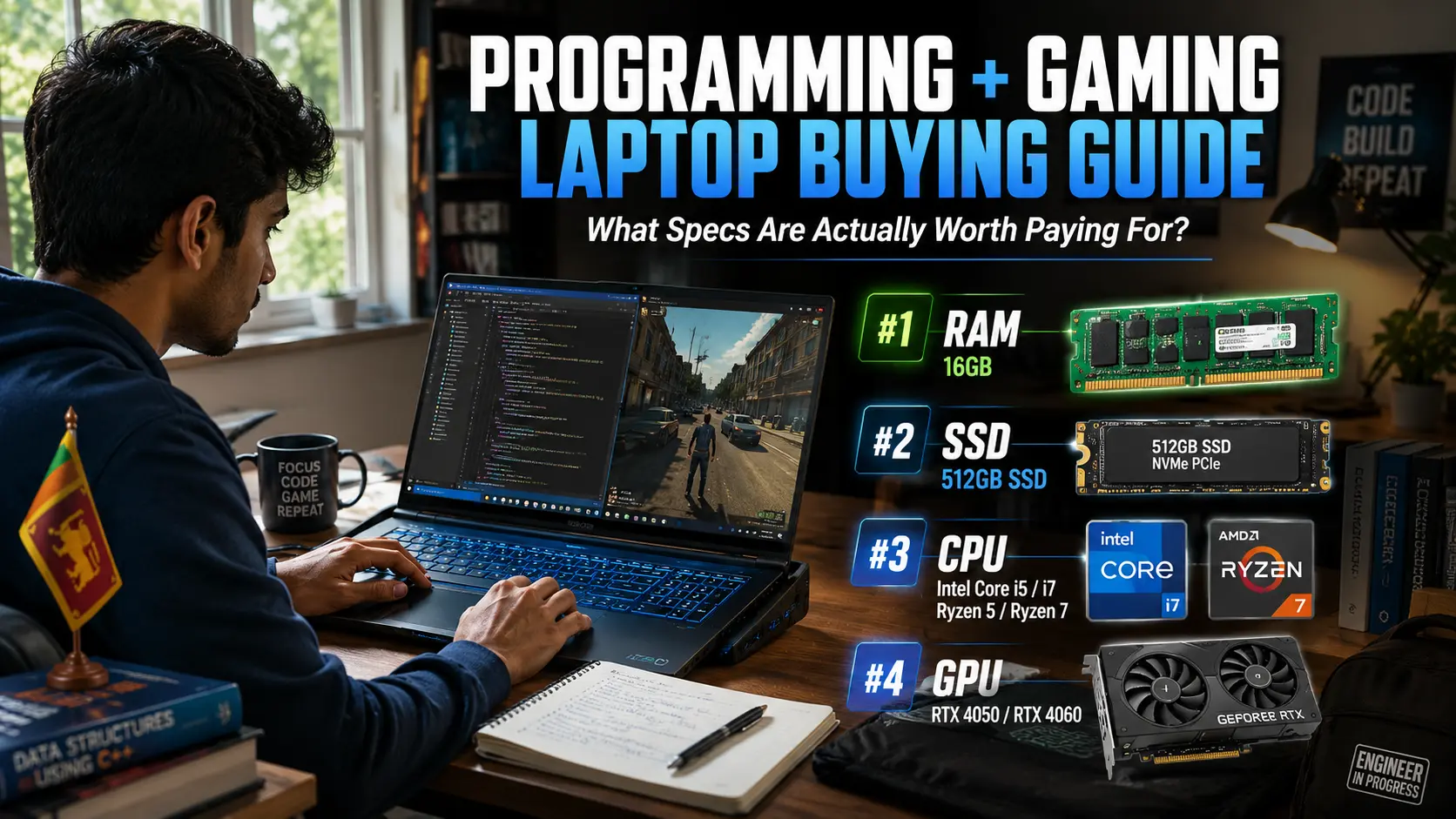
In Sri Lanka, many buyers make the mistake of paying extra for OLED while staying stuck with only 8GB RAM. For coding, more RAM usually improves your real experience far more than a premium display.
The Hidden Problems Many OLED Laptop Buyers Discover Later
OLED screens are beautiful, but many developers only discover the drawbacks after months of real coding work.
One of the biggest concerns is burn-in. Programming creates a worst-case scenario for OLED panels because coders keep static elements on screen for long hours every day. VS Code sidebars, taskbars, browser tabs, and terminal windows often stay in the same position continuously.
Modern OLED laptops now include protections like pixel shifting and refresh cycles, so burn-in is less severe than before. Still, the risk has not disappeared completely.
If you plan to keep your laptop for five to seven years throughout university and work, IPS still feels safer.
Eye strain is another major issue buyers ignore.
Many OLED laptops use PWM dimming, where the screen rapidly flickers at high speed to reduce brightness. Some users never notice it, but others experience headaches, dry eyes, or fatigue during long coding sessions.
This becomes worse when coding late at night in dim hostel rooms or boarding places.
Glossy screens are another practical problem. Most OLED laptops use glossy coatings because they make colors look richer. Unfortunately, reflections become frustrating under classroom lights, office tube lights, and sunlight near windows.
A matte IPS display usually handles Sri Lankan lighting conditions far better.
Battery life also depends heavily on your workflow. OLED can save power during dark mode usage because black pixels turn off completely. However, developers constantly switch between white documentation pages, GitHub, YouTube tutorials, and browser dashboards.
When large white areas appear, OLED power usage increases quickly.
Where OLED Actually Makes Sense for Coding
OLED is not useless for developers. In some situations, it is absolutely worth the extra money.
If your work includes UI/UX design, front-end development, Figma, Adobe apps, video editing, or content creation, OLED becomes much more valuable because the stronger contrast and color accuracy genuinely improve creative work.
Dark mode also looks incredible on OLED screens because black pixels turn off completely, creating a cleaner and more immersive coding environment.
OLED also makes sense for buyers who use one laptop for both work and entertainment. Movies, anime, HDR videos, and games look significantly better compared to standard IPS panels.
However, OLED should be treated as a premium visual feature rather than a direct productivity upgrade. It does not make Android Studio run faster or reduce compile times.
Why IPS Is Still the Smarter Choice for Most Sri Lankan Developers
For most Sri Lankan students and office developers, IPS still offers the best balance between comfort, reliability, battery consistency, and long-term value.
Many developers report that IPS feels easier on the eyes during long coding sessions, especially when reading white documentation pages or using browser-heavy workflows.
IPS also removes the stress of burn-in worries. You can leave VS Code open daily for years without worrying about permanent screen damage.
This matters because laptops in Sri Lanka are expensive investments. Many students expect one laptop to survive their entire degree program, internships, freelance work, and first job.
The biggest advantage of IPS is value.
The money saved from skipping OLED can upgrade the parts that actually improve coding performance. Instead of paying extra for display technology, buyers can move from:
8GB RAM to 16GB RAM
512GB SSD to 1TB SSD
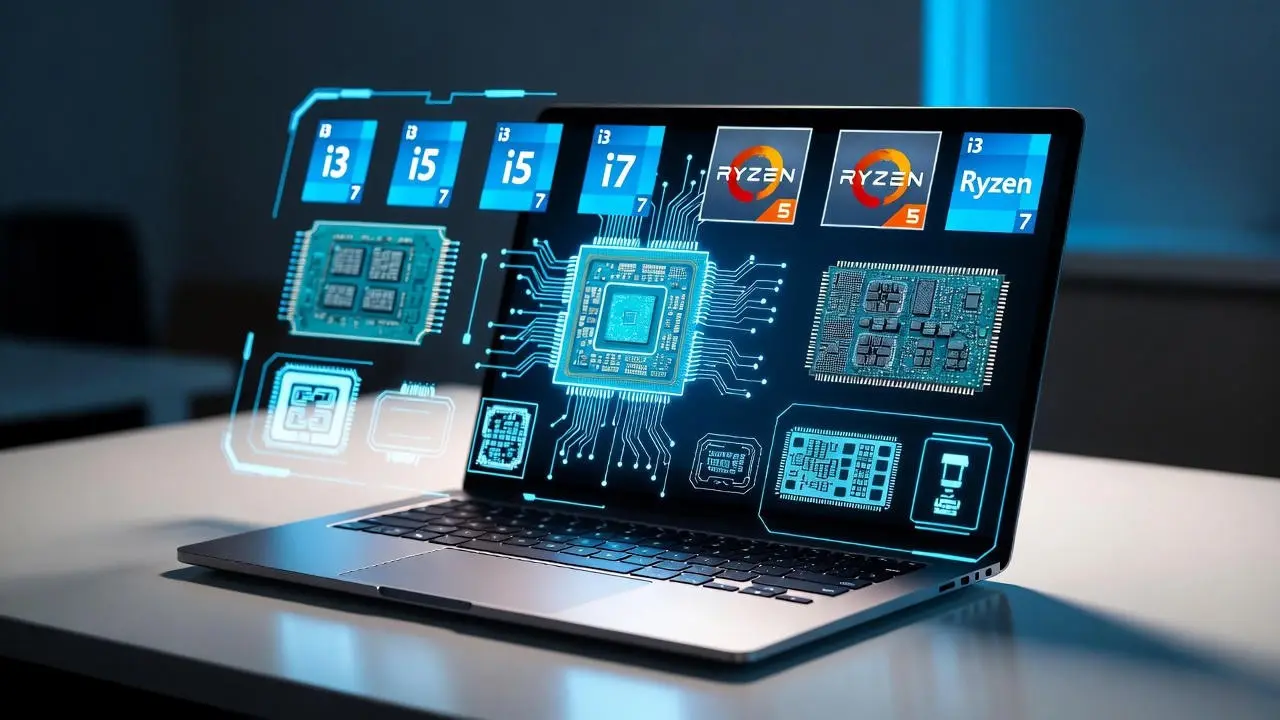
Core i5 to Core i7
Ryzen 5 to Ryzen 7
Those upgrades improve coding far more than OLED.
OLED vs IPS in Real Sri Lankan Buying Situations
If your budget is under LKR 200,000, OLED should not be your priority. A reliable IPS laptop with 16GB RAM and a modern processor will usually perform better for coding than a cheaper OLED laptop with weaker hardware.
This matters heavily if you use Docker, Android Studio, virtual machines, or AI tools.
Around LKR 250,000 to 350,000 is where OLED starts becoming more reasonable because many laptops at this level already include strong processors, better cooling, and good build quality.
Above LKR 400,000, OLED makes much more sense because buyers at this level usually want a premium experience that combines strong hardware with better visuals.
Still, Sri Lankan buyers should ask one important question before purchasing.
“Am I sacrificing more important hardware just to get OLED?”
That single question prevents many expensive mistakes.
For most software engineering students in Sri Lanka, IPS remains the smarter option because coding workloads today depend heavily on RAM, processor power, cooling, and battery life.
Conclusion: Should You Really Pay Extra for OLED for Coding?
OLED displays are genuinely beautiful, and there is no denying that they create a far more premium visual experience than most IPS panels.
However, coding depends far more on comfort, reliability, battery consistency, RAM capacity, and processor performance than cinematic visuals.
For most Sri Lankan software engineering students, backend developers, and office programmers, a high-quality IPS display still remains the smarter long-term choice because it offers lower risk, better practicality, and stronger overall value.
OLED becomes worth the extra investment mainly for buyers who also work with design, editing, creative workflows, or high-end entertainment.
The biggest mistake many buyers make is sacrificing important hardware upgrades simply to get the OLED label.
In real coding workloads, stronger hardware almost always improves the experience more than a premium display.

For more Sri Lankan laptop buying guides and honest recommendations, visit the Laptop Prices in Sri Lanka hub on SellX.lk.
Related Posts